ZEG 2026: Tbilisi Becomes a Global Platform for Dialogue on the Future
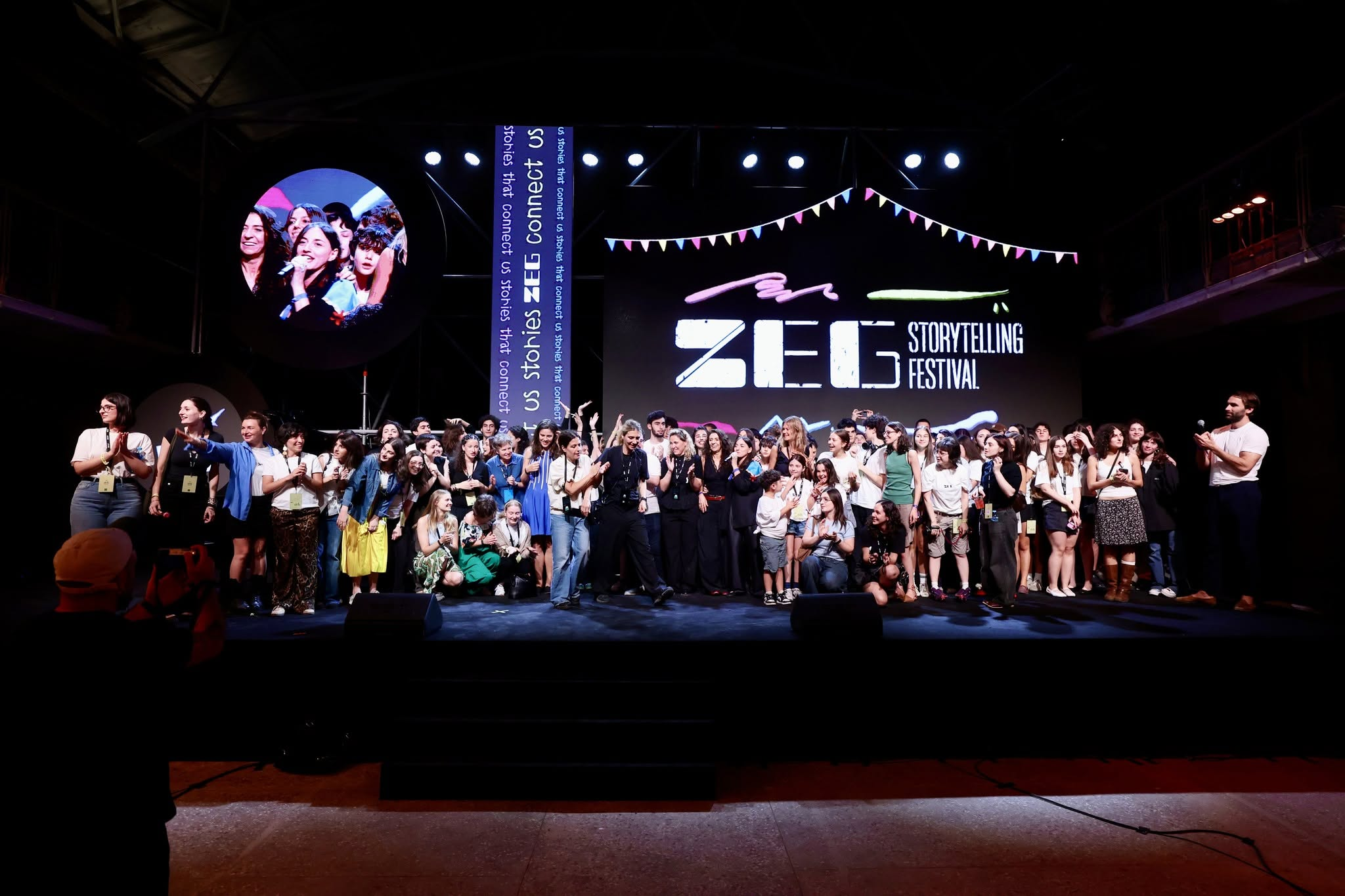
Held from June 19 to 21, the festival has grown into one of the most prominent international intellectual events in the South Caucasus, providing a platform for dialogue on the future of media, technology, democracy, culture and society.
The name ZEG comes from the Georgian word “ზეგ,” meaning “the day after tomorrow.” Reflecting this concept, the festival focuses on examining long-term trends and challenges that are likely to shape the world in the years ahead.
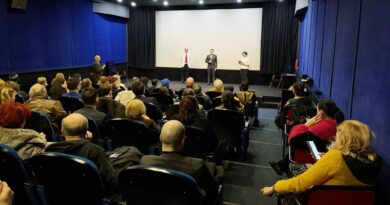
This year’s program featured dozens of panel discussions, lectures, public interviews, film screenings and cultural events. Key topics included artificial intelligence, the future of journalism, disinformation, human rights, international security, climate change, migration and the role of culture in an increasingly interconnected world.
Particular attention was paid to the rapid development of artificial intelligence and its impact on society. Participants discussed both the opportunities created by new technologies and the risks associated with misinformation, manipulation of public opinion and changes in labor markets.
The future of independent journalism was another central theme. Speakers emphasized the importance of maintaining professional standards and public trust in media at a time when journalists around the world face growing political pressure, economic challenges and increasing competition from digital platforms.
One of the festival’s distinguishing features was the participation of internationally renowned journalists, writers and public intellectuals. According to the organizers, more than 100 speakers from around the world took part in the event.
Among them was Pulitzer Prize-winning novelist Viet Thanh Nguyen, whose work explores themes of war, memory and migration. Discussions on artificial intelligence featured journalist and researcher Karen Hao, author of “Empire of AI” and a leading commentator on the social impact of emerging technologies.
Other prominent participants included veteran war correspondent John Lee Anderson of The New Yorker, Channel 4 News international editor Lindsey Hilsum, human rights advocate Kumi Naidoo, former secretary-general of Amnesty International, and Phil Chetwynd, global news director of Agence France-Presse (AFP).
Experts in digital journalism, information security and countering disinformation also took part in discussions on how societies can protect information integrity in the era of social media and generative artificial intelligence.
The festival further explored the role of culture in promoting dialogue and understanding across borders. Organizers said one of the event’s primary goals is to bring together people from different professions, backgrounds and countries to exchange ideas and discuss solutions to shared global challenges.
The hosting of ZEG 2026 further strengthened Tbilisi’s position as a regional hub for international dialogue and cultural exchange. In recent years, the Georgian capital has increasingly attracted major conferences, forums and festivals focused on politics, economics, technology and the arts.
Observers note that such events contribute to Georgia’s international visibility, support tourism development and create opportunities for cooperation between local and international professional communities.
As the festival concluded, organizers stressed that fostering open dialogue about the future remains at the heart of ZEG’s mission. In a world undergoing rapid technological transformation and facing complex global challenges, they said, platforms that encourage the exchange of ideas and experiences are becoming increasingly important.